How to Move a Wine Cooler Without Damaging It
Moving a wine cooler is mostly about three things: take every bottle out, stop the shelves and door from moving around, and keep a compressor model upright if you can. Once it arrives, let it stand upright for a while before you plug it in, then give it time to cool down before you load the wine back in. Most of the risk comes from rushing that last part.
Empty It and Pack the Bottles Separately
Never move a cooler with bottles inside. Thirty full bottles weigh somewhere around 80 pounds, and the racks are not built to hold that weight while the cabinet is being tipped onto a dolly. Bottles also knock into each other and into the glass door.
Pack the wine in sturdy boxes with dividers (wine shop boxes are ideal). Keep the boxes out of a hot car trunk or moving truck in summer. Wine handles a few hours at room temperature without trouble, but a closed vehicle in the sun can get far warmer than that.
Once the cabinet is empty, unplug it, leave the door open for a bit, and wipe out any moisture so nothing drips or sits damp during the trip. If it needs a proper scrub, now is a good time. Our guide on how to clean a wine cooler covers what is safe to use on the gaskets and racks.
Secure the Shelves and the Door
Wooden or wire racks that slide out will rattle and can scratch the interior. Either remove them and wrap them separately, or wedge them in place with towels or bubble wrap.
For the door:
- Close it and hold it shut with a moving strap or stretch wrap around the cabinet.
- If you use tape, choose a low-tack painter’s tape and keep it off stainless steel trim where the adhesive can leave residue.
- Do not let the dolly strap press on the glass. Position straps on the sides and back of the cabinet.
- Coil the power cord and tape it to the back so it cannot be stepped on or caught.
A glass door is the most fragile part of the unit, so think of it as the side that must never take a knock. Carry the cooler with the door facing away from walls and door frames.
Keep a Compressor Unit Upright If You Can
A compressor wine cooler works like a small refrigerator. The compressor holds lubricating oil, and the sealed system holds refrigerant. When the cabinet is laid down, some of that oil can move out of the compressor and into the refrigerant lines. Standing it upright keeps everything where it belongs.
If the only way to get it through a doorway or into a vehicle is on its side, that is usually acceptable, but check the owner’s manual first. Some manufacturers say which side to use, and laying it on its back or on the door is generally discouraged. Not sure which type you have? The difference is explained in thermoelectric vs compressor wine coolers.
Let It Stand Before You Plug It In
This is the step people skip. After a compressor unit has been moved, especially if it spent any time on its side, stand it upright in its new spot and leave it unplugged for a while. That gives any displaced oil time to drain back into the compressor before it starts up.
How long varies by manufacturer. Some say a few hours, some say a full day, and a common rule of thumb is to wait at least as long as the unit was lying down. Your manual is the authority here, so look for a section on installation or transport. If you cannot find it, waiting overnight is a cautious default.
Thermoelectric coolers are far less fussy. They have no compressor, oil or refrigerant, just a solid-state module and fans, so there is nothing to settle. You can plug one in as soon as it is in place. It still deserves careful handling, since the glass door and the fan are the parts most likely to be damaged.
Check the Clearance at the New Spot
Before you set the cooler in its final position, check how it needs to breathe:
- Freestanding units usually vent heat from the back or sides and need a gap from walls. A few inches is typical, but the exact figure is in the manual.
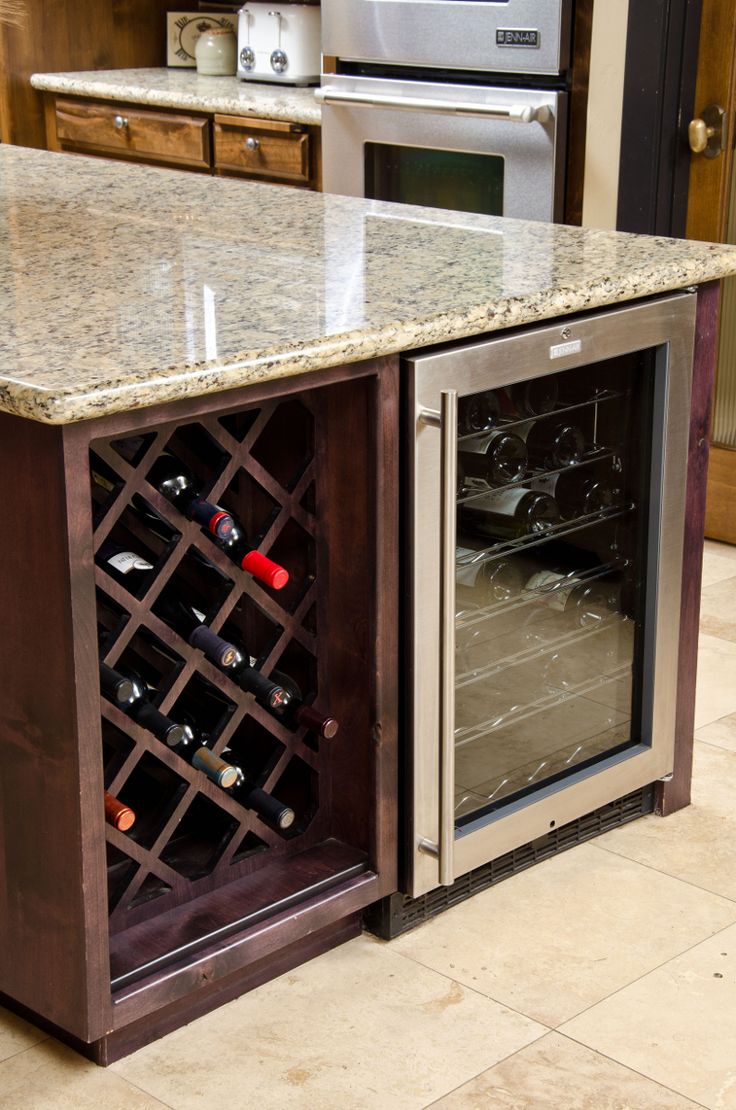
- Built-in or front-venting units push heat out through a grille at the bottom front, which is why they can sit flush inside cabinetry. Keep that grille clear.
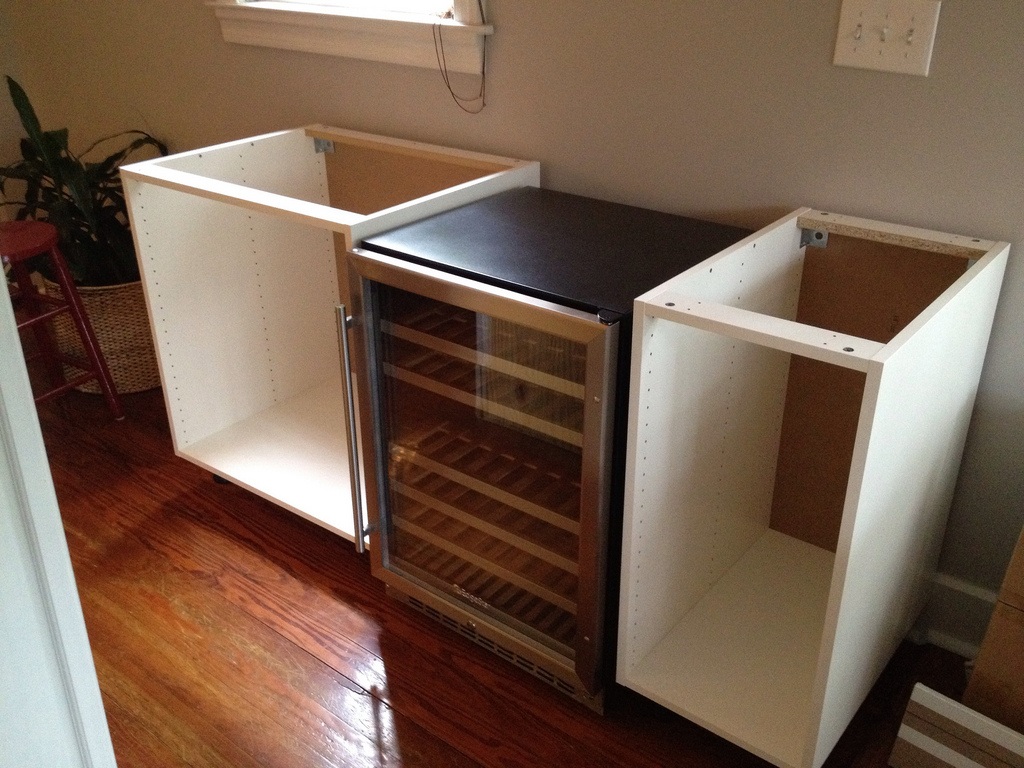
- Never slide a freestanding model into a closed cabinet opening. Without airflow it will run constantly and struggle to hold temperature. The built-in vs freestanding wine cooler guide explains how to tell which kind you have.
Also look for heat sources. A spot next to an oven, a dishwasher or a sunny window makes the cooler work harder. Level the cabinet using its adjustable feet so the door seals evenly and closes on its own.
Let It Reach Temperature Before Loading
When it is plugged in, set the temperature and let the cooler run empty until the display shows a steady reading. That often takes several hours, and a full day is not unusual for larger units or warm rooms. Loading it too soon puts a big batch of room-temperature bottles into a cabinet that has not finished cooling, so it runs hard and the temperature swings.
Once it is stable, load the bottles back in gradually rather than all at once if you have a large collection. Watch the reading for the first day or two. If it never gets close to the setting, check the door seal and the clearance again before assuming a fault.
One last tip: take a photo of the back panel and the model label before you move it. If something does go wrong in transit, you will have the model and serial number ready for the manufacturer without pulling the cooler out of its new space.