How to Store Champagne and Other Sparkling Wine
Store unopened Champagne and other sparkling wine the same way you would store any good wine: somewhere cool, dark and steady, ideally around 50-55°F (10-13°C). It can lie on its side or stand upright for a few months without harm. Chill it shortly before serving rather than keeping it in the kitchen fridge for weeks, and once it is open, plan to finish it within a day or two.
Unopened bottles: cool, dark and steady
The three things that hurt sparkling wine are heat, light and big temperature swings.
- Temperature. Around 50-55°F (10-13°C) is the range most wine storage guidance recommends for long-term storage, sparkling included. The exact number matters less than keeping it consistent. A closet that sits at 62°F year-round is a better home than a garage that swings from 45°F to 85°F.
- Light. Sunlight and strong indoor light can cause off-flavors in wine, and sparkling wines in clear or pale glass are more exposed. Keep bottles in their box or in a dark spot.
- Steadiness. Avoid spots next to an oven, a dishwasher, a sunny window or a heating vent.
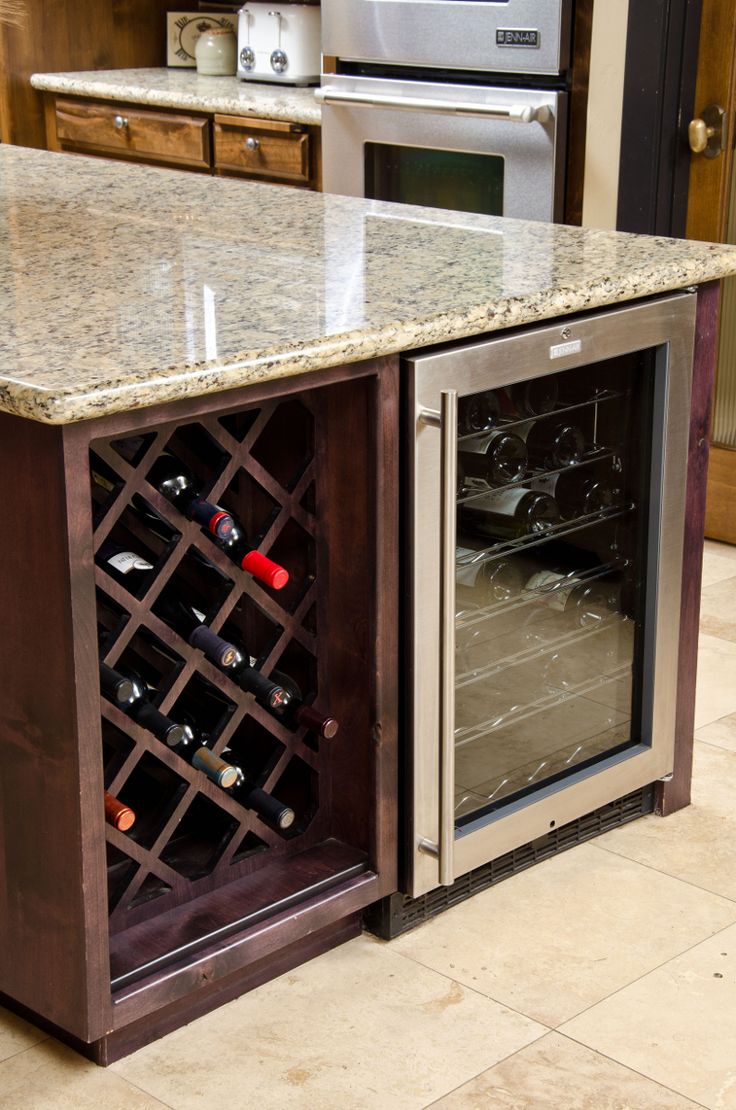
A wine cooler does all of this well. If you do not have one, a low interior closet or a basement corner can work for months. How to store wine without a wine cooler has more ideas.
Lying down or standing up?
The standard advice for still wine is to store bottles on their side so the cork stays moist. With sparkling wine the question is more debated, because the pressure and gas inside the bottle keep the air space humid. Some in the wine trade argue upright storage is fine or even preferable for sparkling wine.
For practical purposes, either works for bottles you plan to open within a few months. If you are holding a bottle for years, lying it down is the more common choice and does no harm.
How long does unopened sparkling wine keep?
This depends heavily on the style and the producer, so treat these as rough guides rather than rules.
- Non-vintage Champagne (the most common kind, with no year on the label) is generally made to be enjoyed fairly soon after release. Many are at their best within a few years of purchase, though well-stored bottles can last longer.
- Vintage Champagne (with a year on the label) is usually made to age and can often keep and develop for many years in good conditions.
- Prosecco and other fresh, fruity styles are generally best young, while they still taste bright.
Age is not automatically a plus. Older sparkling wine tends to lose some fizz and pick up nutty, toasty flavors. Some people love that; others prefer it fresh.
Chilling it before serving
Sparkling wine is usually served colder than still whites, often somewhere around 45°F (7°C). Richer vintage bottles are often served a little warmer, closer to 50°F (10°C), so the flavors come through. For more on serving temperatures across styles, see the best temperature to serve wine.
Two reliable ways to get there:
- The refrigerator. A few hours in a regular fridge, roughly three or so, will bring a room-temperature bottle down to serving temperature.
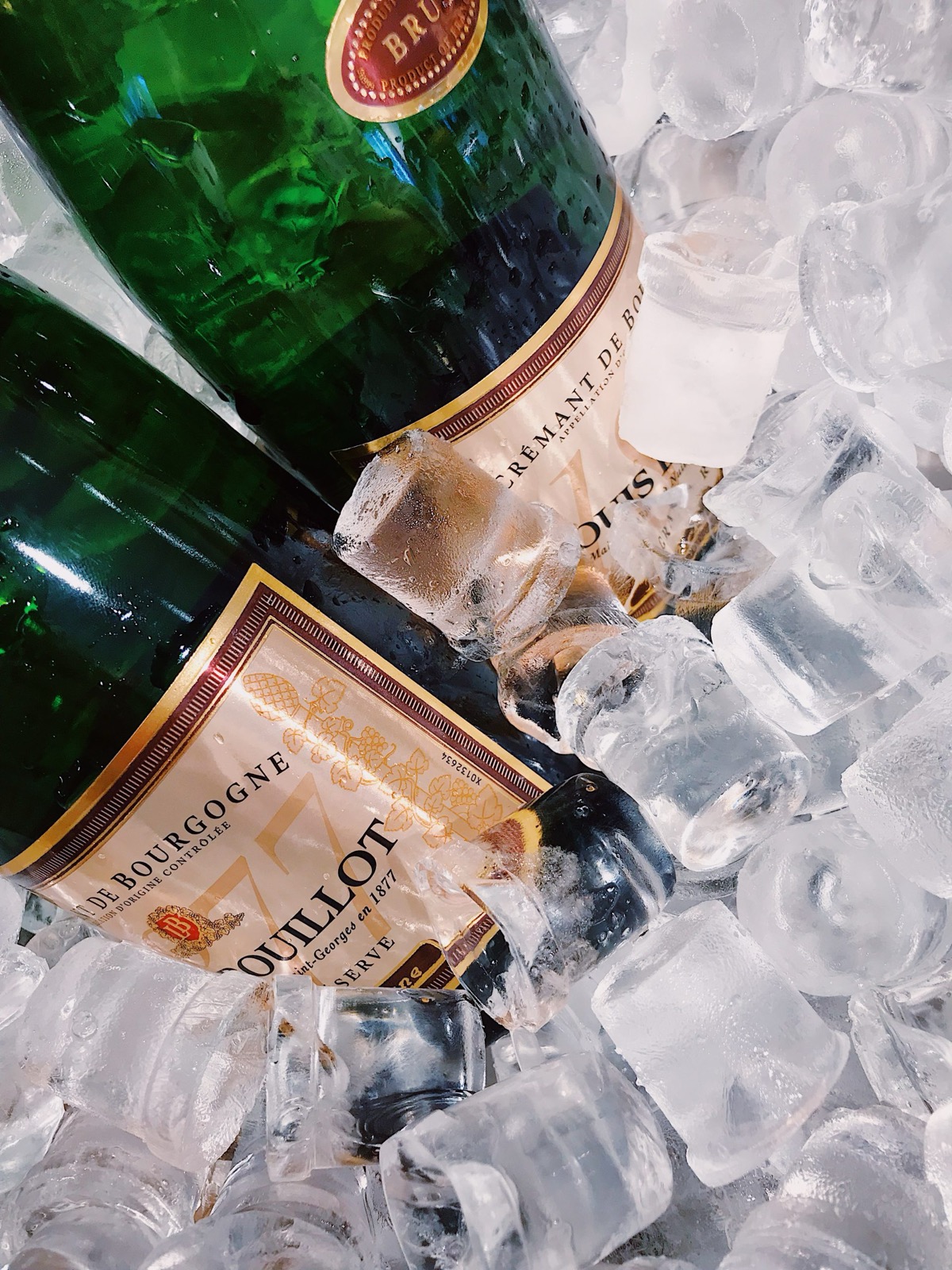
- An ice bucket. Fill a bucket with ice and water, not ice alone. Water touches the whole bottle, so it chills much faster than ice cubes sitting against the glass. Submerge the bottle up to the neck. Around 20-30 minutes usually does it.
A day or two in the fridge before a party is fine. What you want to avoid is treating the kitchen fridge as long-term storage. It is colder and drier than ideal, it is opened constantly, and bottles tend to get forgotten at the back for months.
Why not the freezer?
A quick stint in the freezer is a popular shortcut, but it carries a real risk. If the bottle is forgotten, the wine can freeze and expand. With sparkling wine already under pressure, that can push the cork out or crack the bottle, leaving a mess and a lost bottle. Very cold wine also tastes muted. The ice bucket is nearly as fast and much safer. If you do use the freezer, set a timer.
Keeping an opened bottle
Once the cork is out, the bubbles start escaping. To slow that down:
- Use a proper sparkling wine stopper, the kind that clamps over the lip of the bottle. A regular cork or plug will not hold against the pressure.
- Put it straight back in the fridge. Cold wine holds its carbon dioxide better than warm wine.
- Plan to drink it within a day or two. It will still be pleasant, though less lively than when first opened. After that, it is often better used for cooking or a spritz.
You may have heard the trick of hanging a spoon in the neck of the bottle. There is little good evidence that it helps; a sealed stopper does far more. For how other wines hold up once opened, see how long does wine last after opening.
Sparkling bottles may not fit your racks
Champagne bottles are made from thicker, heavier glass to handle the pressure inside, and they are wider than a standard still-wine bottle. Many wine cooler shelves and racks are sized around standard Bordeaux-style bottles, so sparkling bottles can be a tight fit or may not slide in at all.
Before you buy a cooler with sparkling wine in mind, look for adjustable or removable shelves, or a bottom shelf where bottles can lie stacked or stand upright. Also expect fewer bottles than the advertised capacity, which is normally based on standard bottles.
When you set aside a bottle for a specific occasion, put it in the cooler’s lowest, most stable spot and leave it there. A bottle that has rested undisturbed is also less likely to foam over when you open it.