How Long Does Wine Last After Opening?
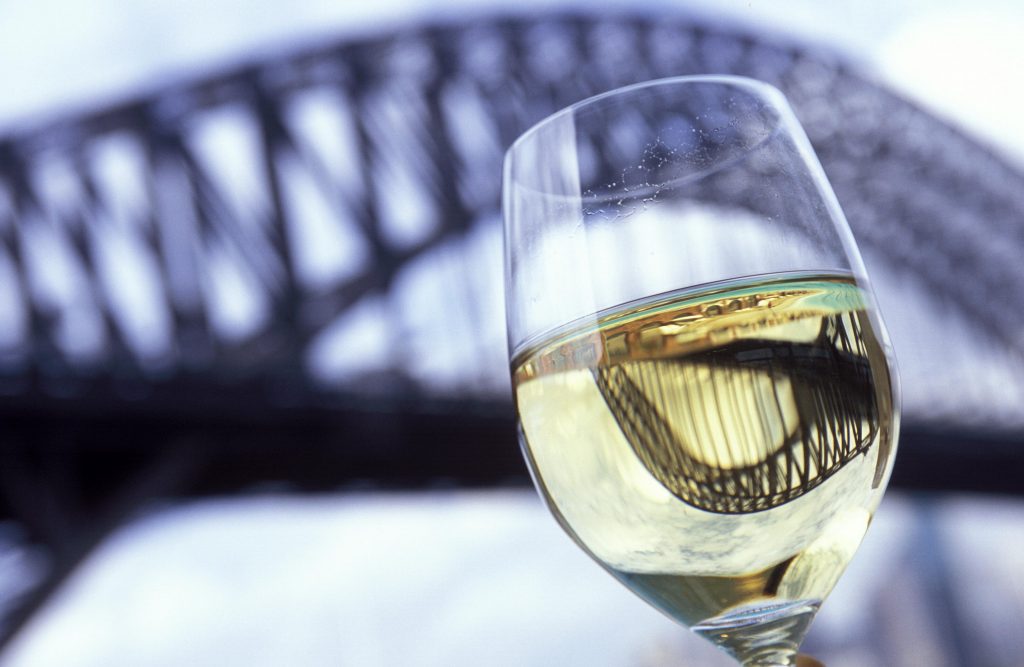
Most opened still wine stays enjoyable for about 3 to 5 days if you put the cork back in and keep the bottle in the refrigerator. Sparkling wine fades faster, usually within 1 to 3 days. Fortified wines like Port and Sherry are the exception and can last weeks. The exact time depends on the style, how much is left in the bottle and how warm it sits.
Why Opened Wine Goes Bad
Once the cork comes out, oxygen gets in. A little air is fine (it is why people swirl a glass), but over a few days oxygen starts to flatten the fruit and turn fresh flavors dull and nutty. Given more time, bacteria that are naturally present can convert alcohol into acetic acid, which is the sharp, vinegary note you smell in a bottle that has been open too long.
Heat speeds all of this up. Cold slows it down. That is why the single most useful thing you can do with a half-finished bottle is put it in the fridge, even if it is red.
How Long Each Style Lasts
These are common guidelines for a recorked bottle kept in a regular refrigerator. Treat them as a starting point and let your nose make the final call.
| Style | Typical life after opening |
|---|---|
| Sparkling (Champagne, Prosecco, Cava) | 1 to 3 days with a proper sparkling stopper |
| Light whites and rosé | 3 to 5 days |
| Full-bodied whites (oaked Chardonnay, Viognier) | 3 to 5 days, sometimes a little less |
| Reds | 3 to 5 days; bigger, more tannic reds often hold up longer than light ones |
| Fortified (Port, Madeira, most Sherry) | Several weeks |
Sparkling wine loses its bubbles first, and the flavor usually holds a little longer than the fizz. A regular cork will not go back in, so use a hinged sparkling wine stopper that clamps onto the neck. There is more on this in our guide to storing Champagne.
Light whites and rosé are delicate and show oxidation quickly. You will often notice the bright fruit fading by day three.
Full-bodied whites have more weight but are not always sturdier. Wines that were already aged in a slightly oxidative style can turn faster than you expect.
Reds have tannins, which help resist oxygen, so a firm young red can sometimes taste fine after four or five days. Light reds such as Pinot Noir tend to fade sooner.
Fortified wines have extra alcohol, which protects them. Tawny Port, Madeira and Marsala are made in contact with oxygen on purpose and are the most forgiving. Fino and Manzanilla Sherry are the exception in this group: treat them like a white wine and finish them within a few days. Our guide to Port and dessert wine covers these in more detail.
How to Make an Open Bottle Last Longer
You cannot stop oxidation, but you can slow it down a lot.
- Recork right after pouring. Do not leave the bottle open on the table through dinner if you know you will not finish it. Push the cork back in the same way it came out, or use a reusable wine stopper.
- Refrigerate it. A kitchen fridge runs around 37 to 40F (3 to 4C), cold enough to slow spoilage. For a red, take it out 30 minutes or so before you want to drink it so it can warm up a bit.
- Keep it upright. An opened bottle stored on its side has more wine surface touching the air in the bottle and can leak around a loose cork.
- Move it to a smaller container. The less empty space above the wine, the less oxygen it sees. Pouring half a bottle into a clean, small glass bottle with a tight cap and filling it close to the top makes a real difference.
- Consider a vacuum pump or inert gas. Hand pumps pull some air out of the bottle. Argon-based sprays lay a heavier gas over the wine. Both help, though neither turns a five-day wine into a two-week wine.
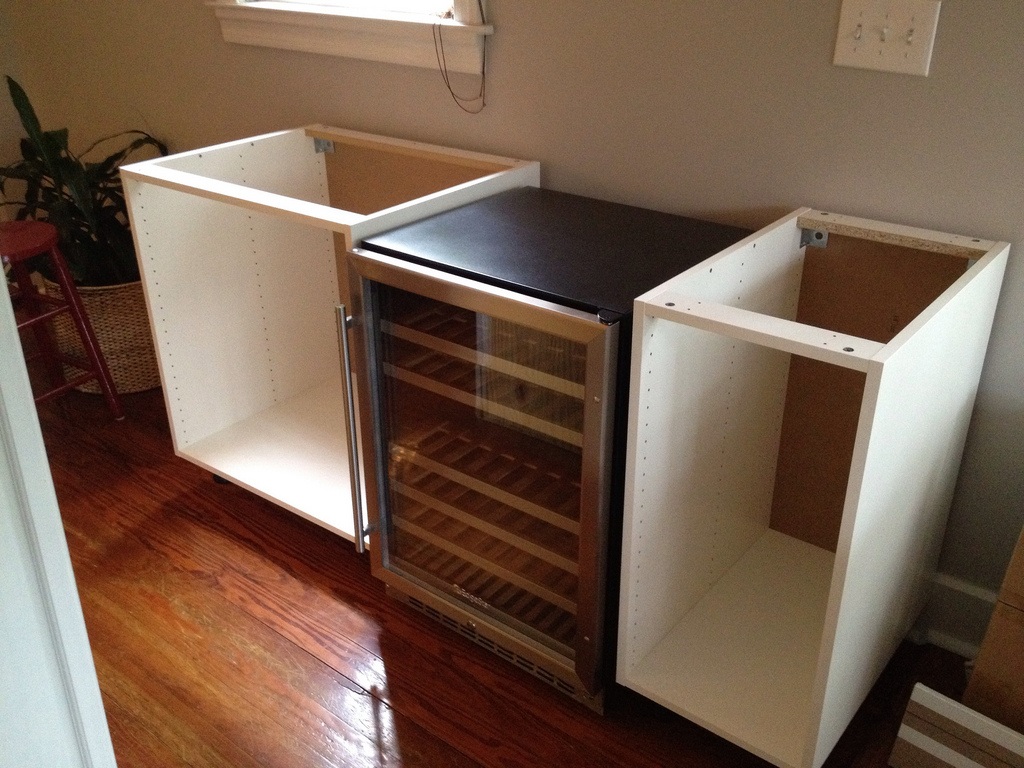
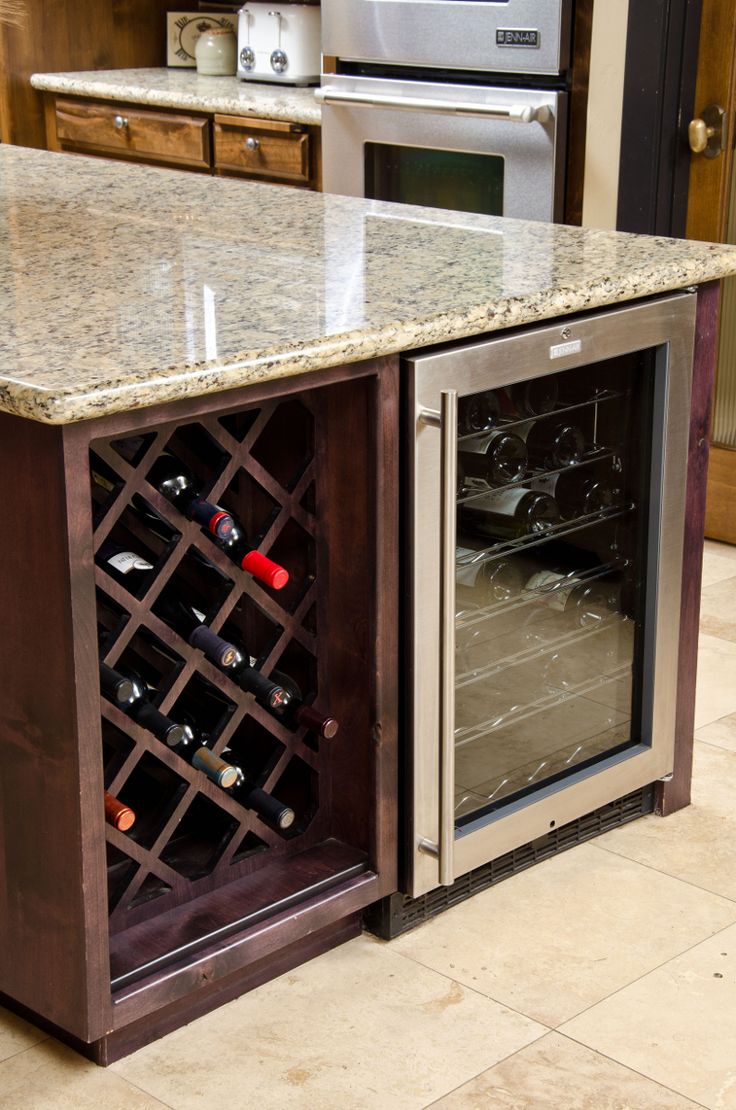
A wine cooler set to a white wine serving temperature works for opened bottles too, but a cooler kept at a cellar temperature of around 55F (13C) is warmer than a fridge, so opened wine will not last quite as long there.
Signs an Opened Wine Has Turned
Check these before you pour:
- Smell. A sharp vinegar note, or a smell like nail polish remover, means the wine has gone. A flat, bruised apple or nutty smell in a wine that was fresh and fruity when opened means it is oxidized.
- Color. Whites darken toward gold or brown. Reds lose their bright edge and look more brick or brown.
- Taste. Fruit disappears and the wine tastes thin, sour or dull.
- Bubbles. A sparkling wine with no fizz left is past its best even if it still smells clean.
Oxidized wine is not pleasant to drink, but one that is only a little tired can still be fine for cooking in a sauce or stew. If it smells clearly of vinegar, pour it out.
A practical habit that saves a lot of wine: if you know you will only have one glass tonight, pour half the bottle into a small container and recork both as soon as you open it. The half you did not touch stays much fresher for the next few days.